The craft
How a DJ reads a room — and why your playlist can't

11 August 2026 · 6 min read · Xavish
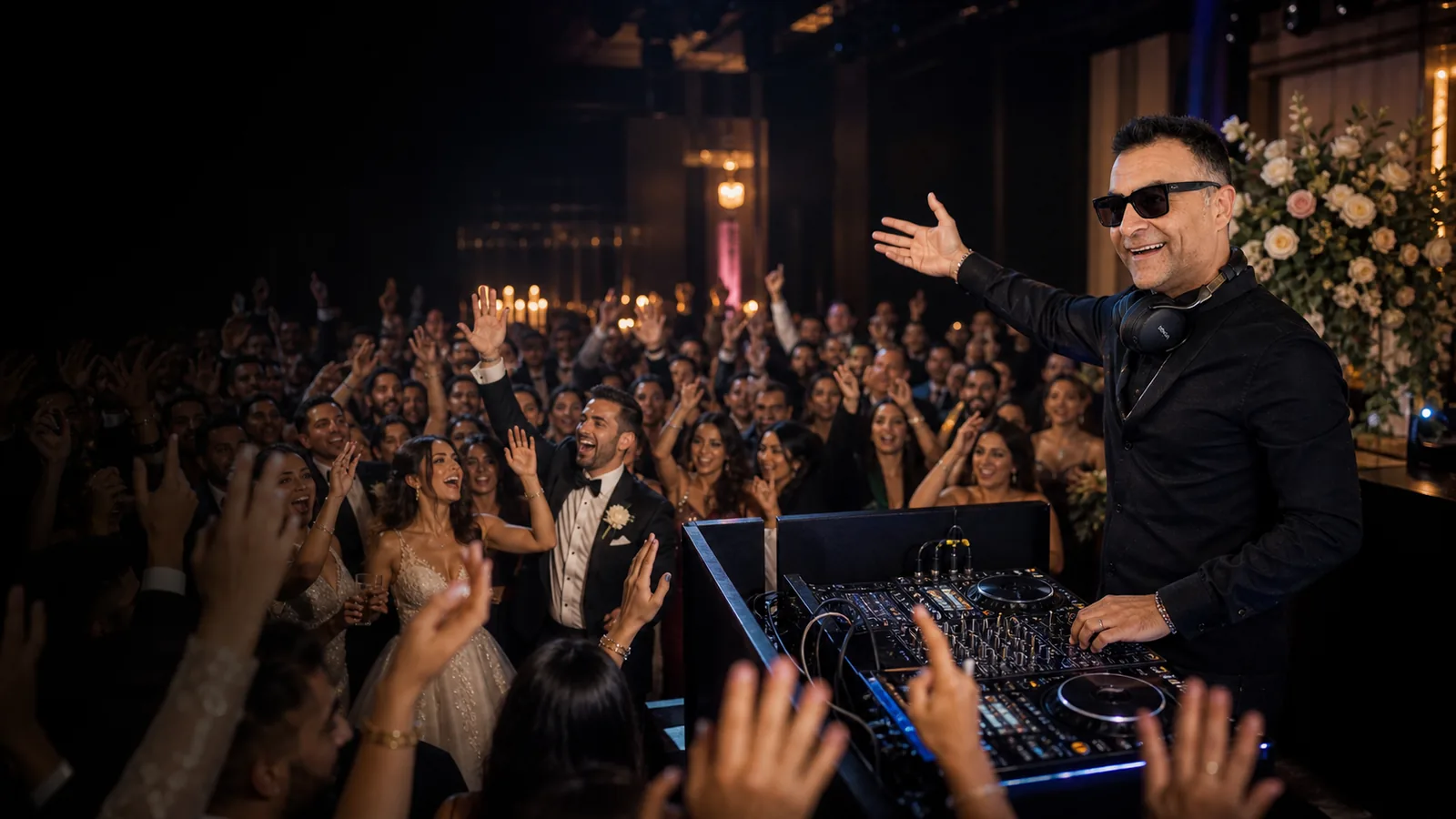
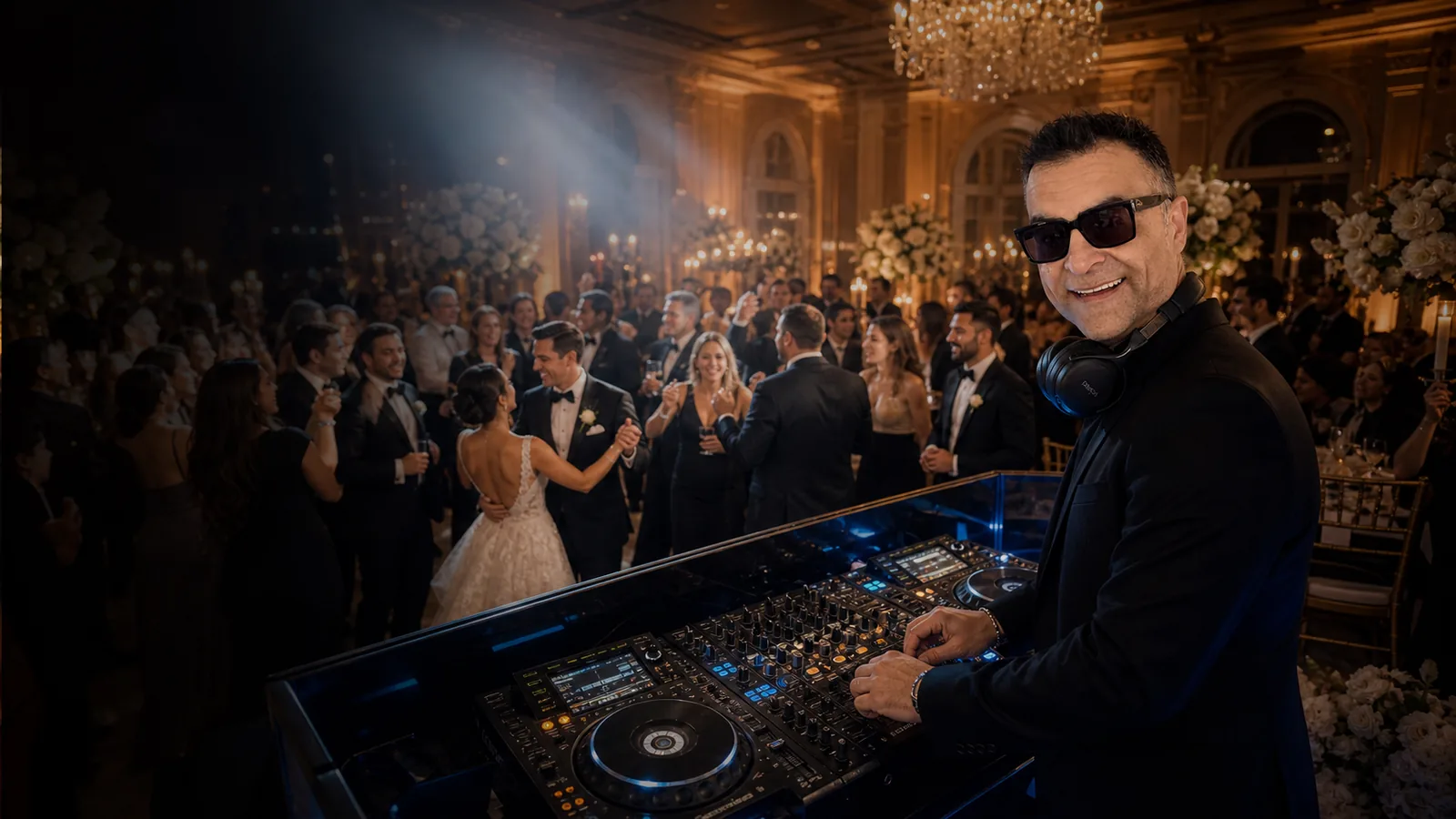
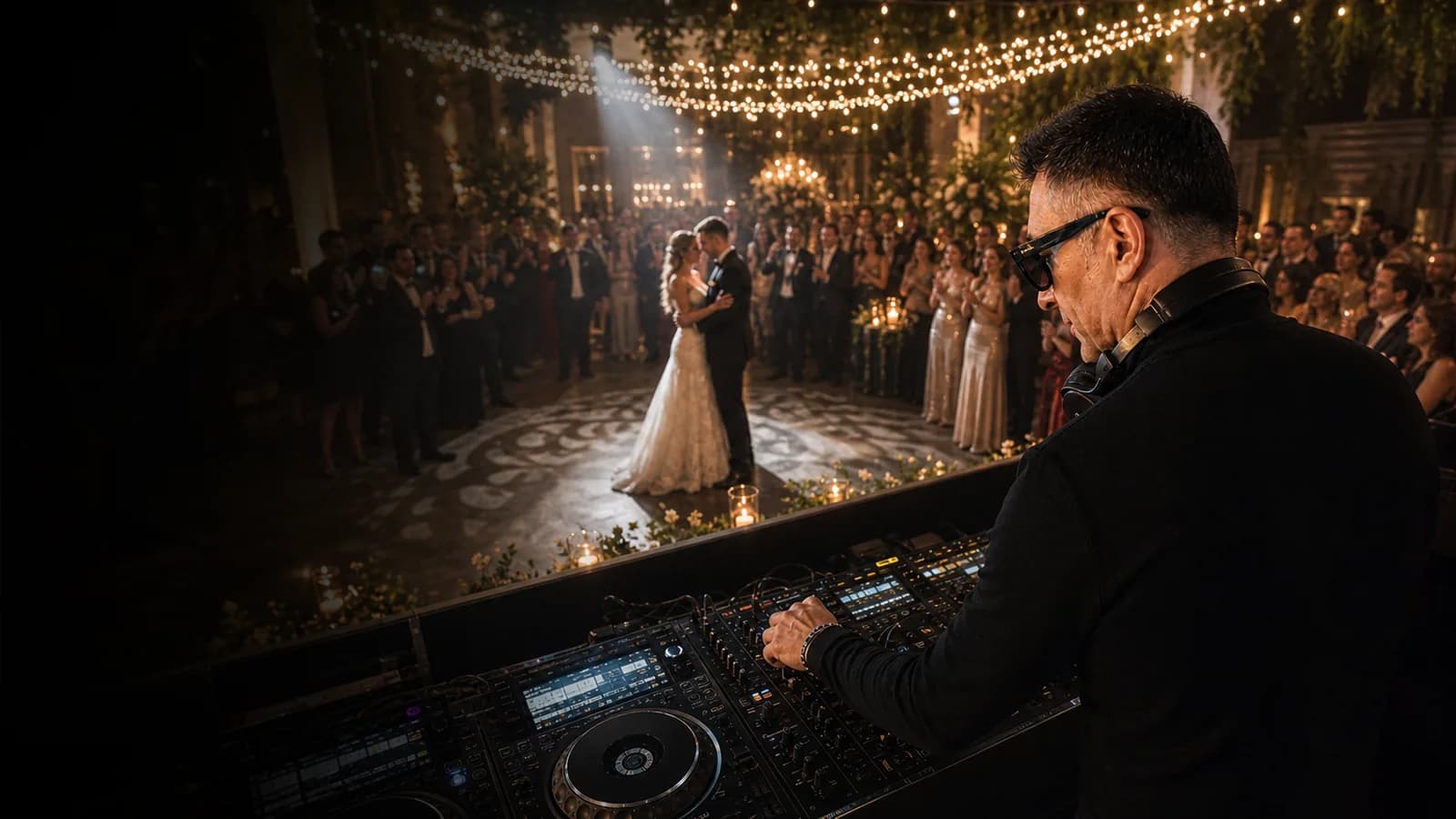
"I'll read the room" is the most overused phrase in the industry, and almost nobody explains what it means. So here's the actual answer: what a DJ is looking at, what those signals mean, and why no playlist can do it.
A dance floor is a live feedback system. You make a decision, the room answers within about thirty seconds, and that answer tells you the next decision. A playlist can't participate in that conversation because it was written before the room existed.
What a DJ is actually watching
The edge of the floor
Not the middle. The middle is committed — they'll dance to almost anything. The edge is the truth: the people half-facing the floor, drink in hand, deciding. When the edge takes a step in, the last track worked. When the edge turns to talk, you have about ninety seconds to change something.
Where the phones are
Phones up and filming is the strongest positive signal there is — it means someone thinks this moment is worth keeping. Phones down and scrolling means the opposite, and it spreads faster than anything else in the room.
The bar
A bar queue forming mid-track is normal. A bar queue forming the moment a track starts is a verdict on that track.
Who arrived
Rooms change composition all night. When the older guests leave, the average age drops ten years in five minutes and the rules change. Missing that shift is the most common way a good night goes quiet at 11pm.
The energy should never dip and never peak too early. It builds, all night, until the floor doesn't want to leave.
The three moments that decide a night
Most receptions are won or lost at three points, and none of them are the peak:
- The first ten minutes of dancing. Too hard, too early and you burn the crowd before they're warm. Too soft and they decide the floor isn't happening tonight.
- The dip after the first rush. Around forty minutes in, energy always drops. Planning for it is the job. Panicking and dropping your biggest track is how you end the night an hour early.
- The last thirty minutes. Everyone remembers the ending. A night that finishes strong is remembered as a great night, almost regardless of what happened at 8pm.
Listen · SoundCloud
Open on SoundCloud ↗Why the biggest song isn't the answer
Every DJ has a handful of tracks that will fill a floor almost anywhere. The temptation is to use them the moment things get soft. The problem is that they're finite — and once they're spent, the last hour has nothing left. Managing that inventory across a whole night is most of the actual skill.
The counter-intuitive move is often to go slightly quieter and rebuild, rather than louder and bigger. A room that's been shouted at for two hours stops hearing you.
What this means for your wedding
Give your DJ the information only you have — who dances, who leaves early, which song will get your dad off his chair, and the ones that must never be played. Then give them room to sequence it live. You hired a person for the part a machine can't do.
The sound
Hear it before you book it.
Reading about how a set is built only goes so far. These are full mixes, recorded live — the same programming this article describes, in your ears instead of on the page.
All mixes on SoundCloud ↗Quick answers
What does it mean when a DJ says they 'read the room'?
They're watching specific signals — movement at the edge of the dance floor, whether phones are up filming or down scrolling, bar queues forming as a track starts, and changes in who's actually in the room — and adjusting the next track choice within about thirty seconds of each response.
Why can't we just use a playlist at our wedding?
A playlist fixes the order before the room exists. It can't respond when energy dips at the forty-minute mark, when the older guests leave, or when a track doesn't land. Live sequencing exists to answer those moments.
Sydney, Australia
Got a date in mind?
Tell me the room, the crowd and the occasion — you’ll get a straight answer back, not a package.
Check your date